September 2026

Ten years
When a buyer gets nervous before handover, there is a line I have reached for more than once. "The structure is covered for ten years. Nobody can take that away from you."
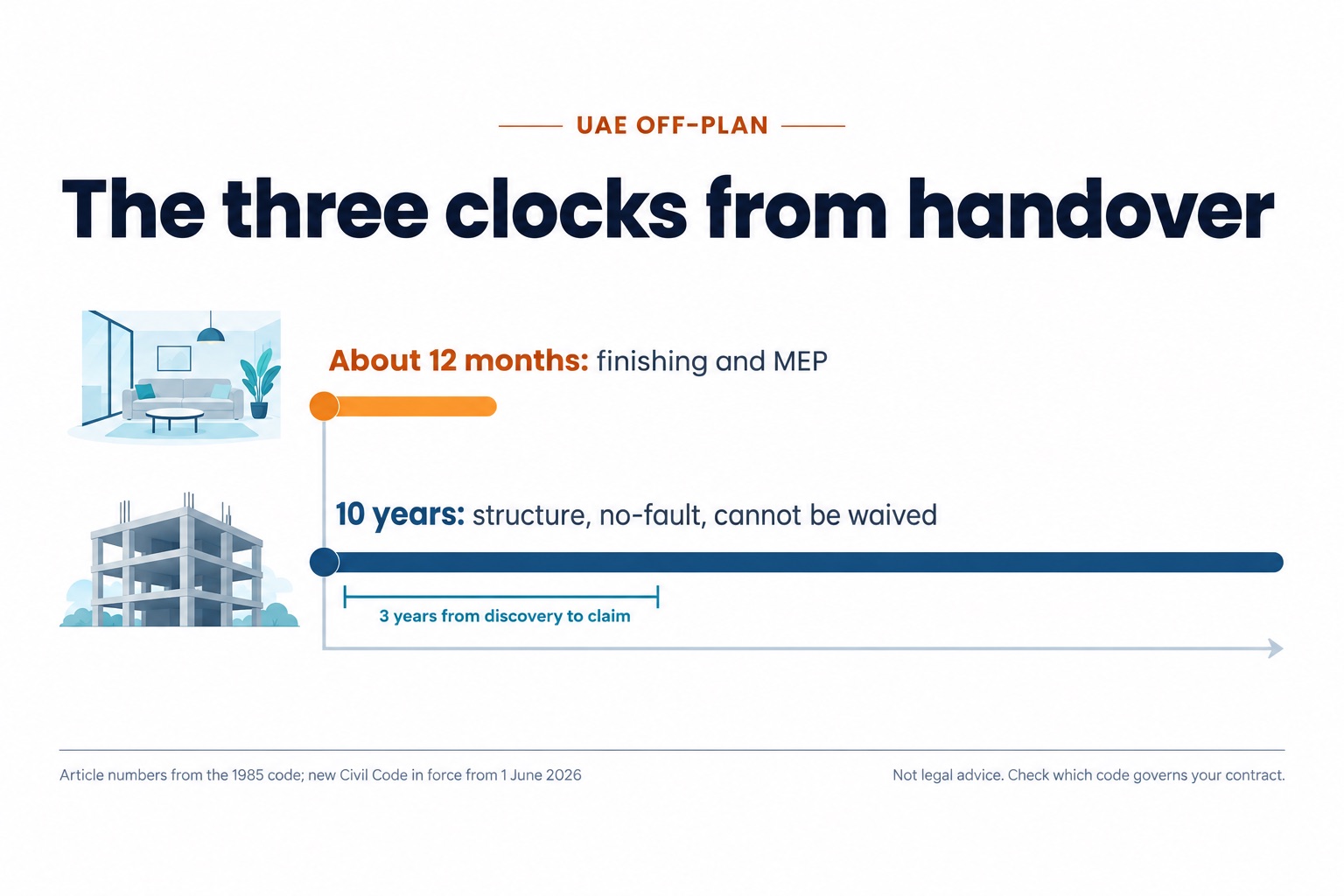
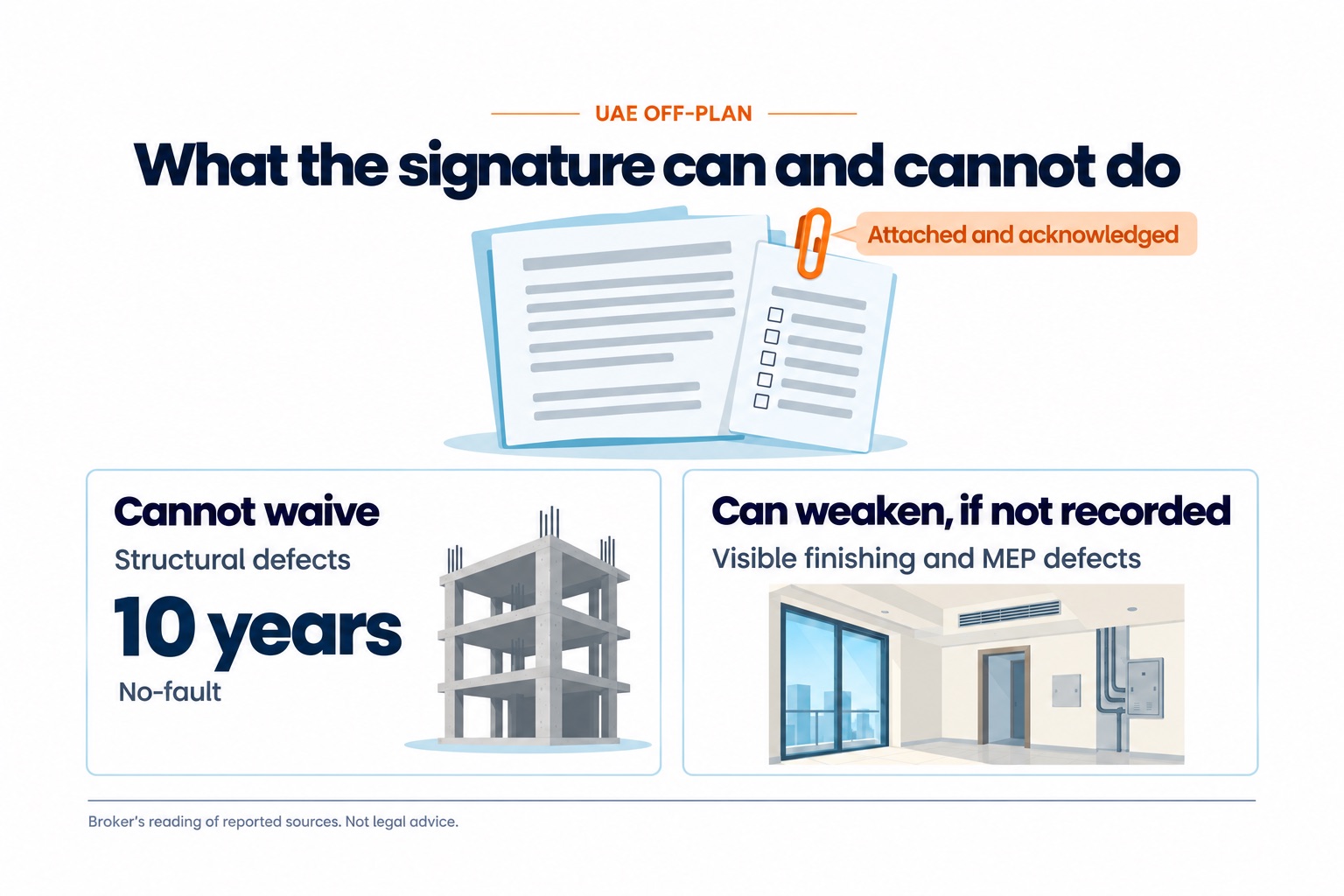
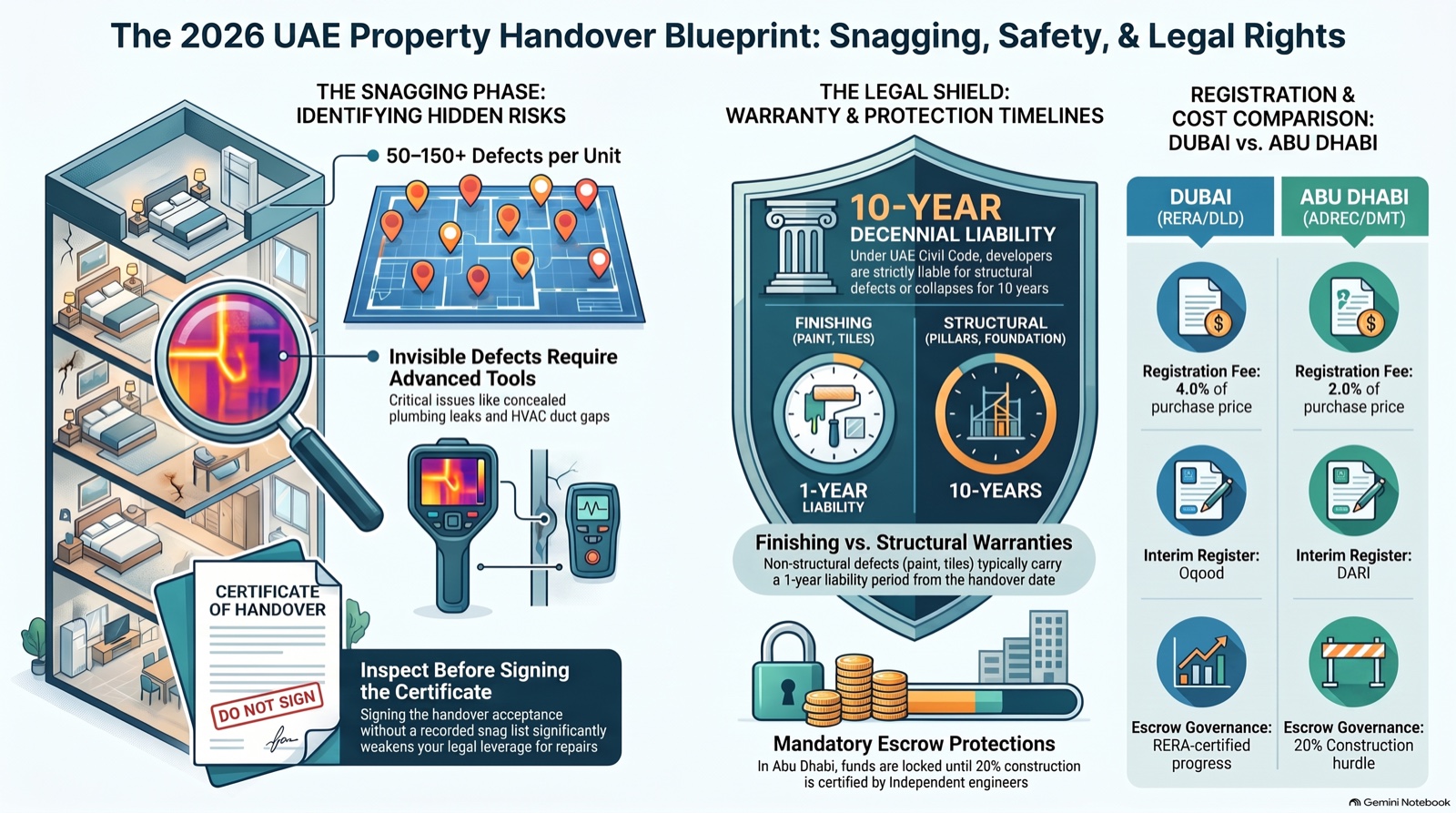
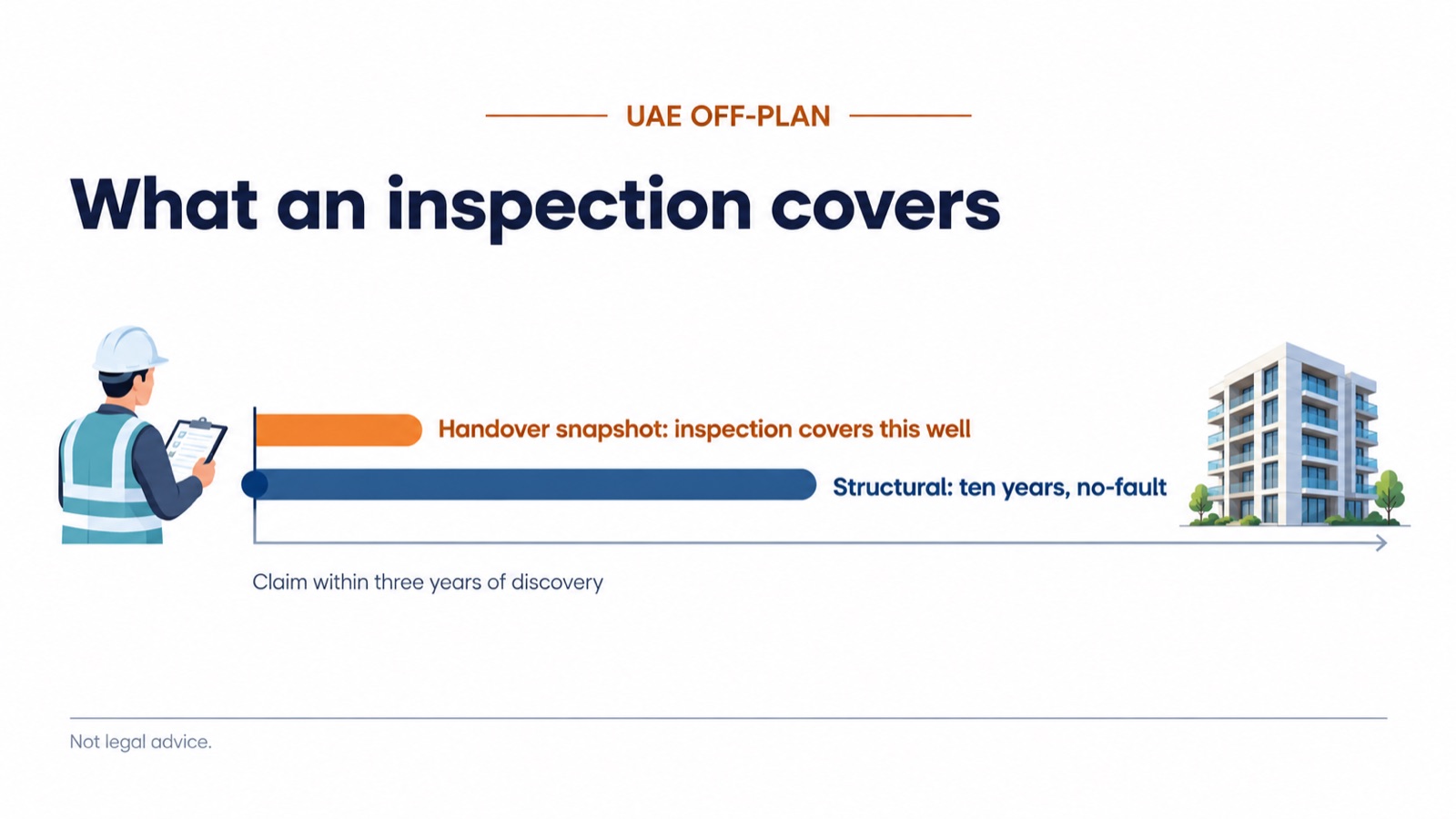
It is true. UAE law gives decennial liability on the structure of a building: foundations, columns, beams, the roof. The owner does not have to prove anyone was negligent. Developers, contractors and designers are described as jointly liable. And any clause that tries to limit it is void, whatever you sign.
It is a good protection and I have used it as reassurance.
What I had not done, until I sat down with this research, was put it next to the list of things that actually go wrong at handover.
What actually goes wrong
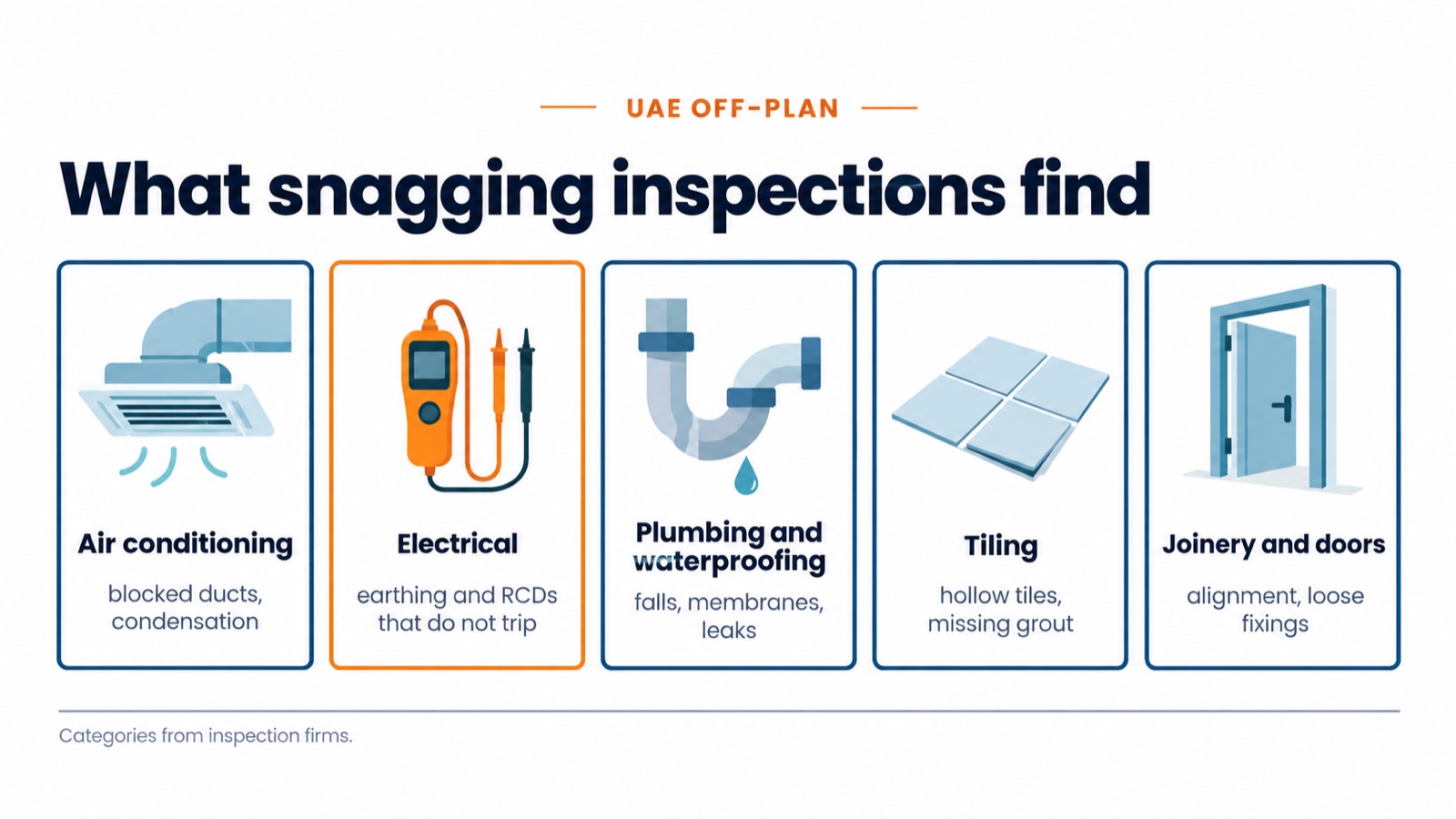
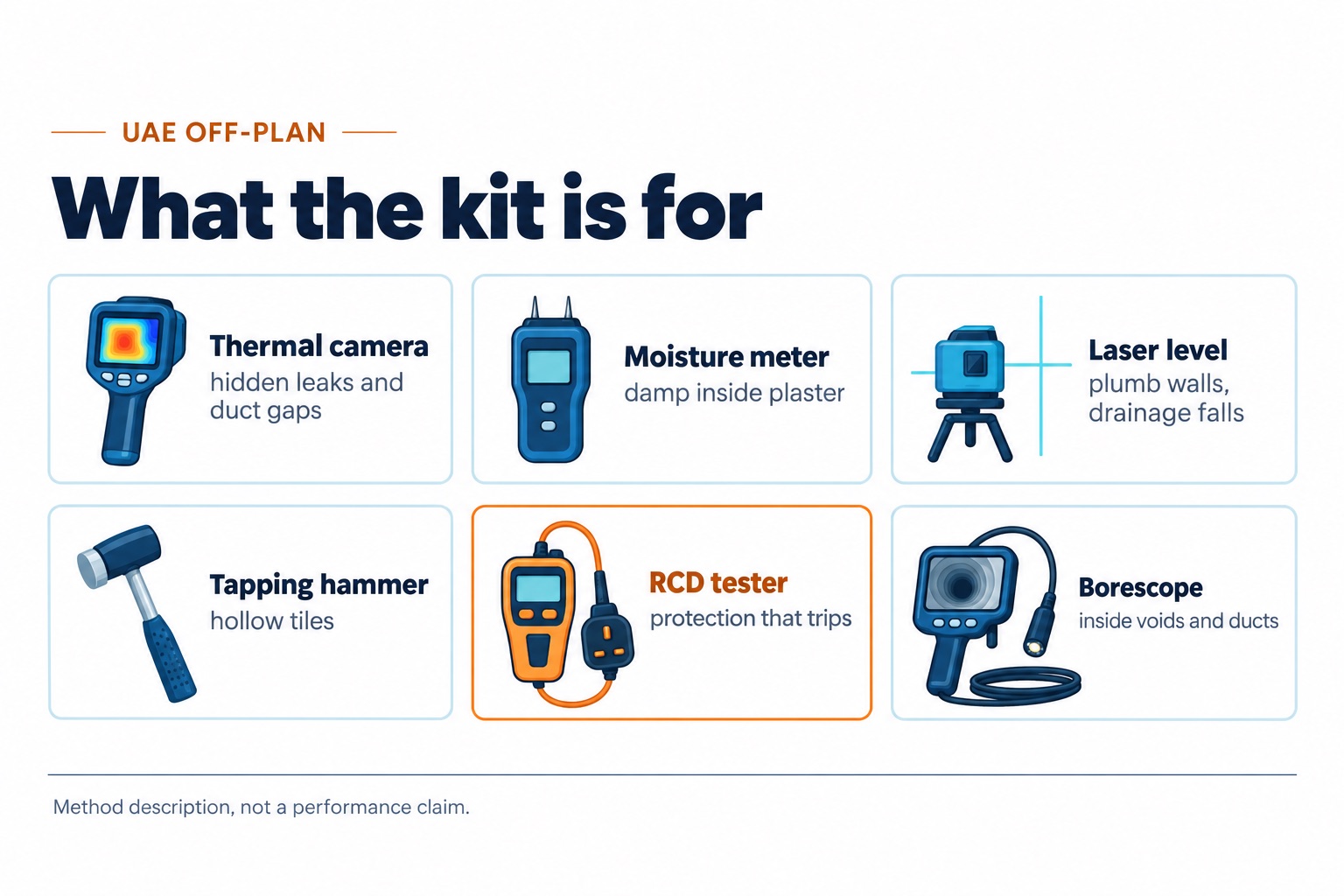
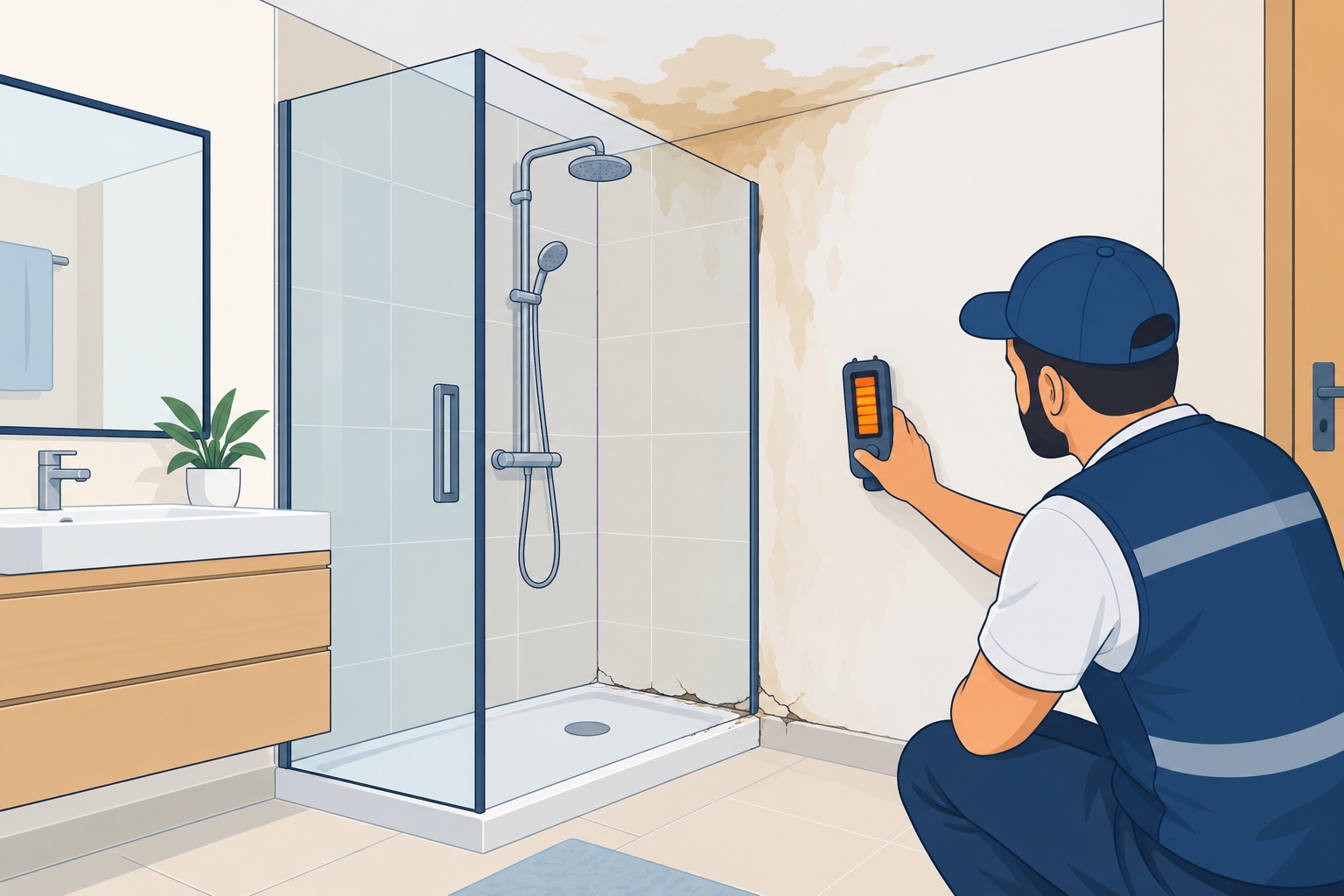
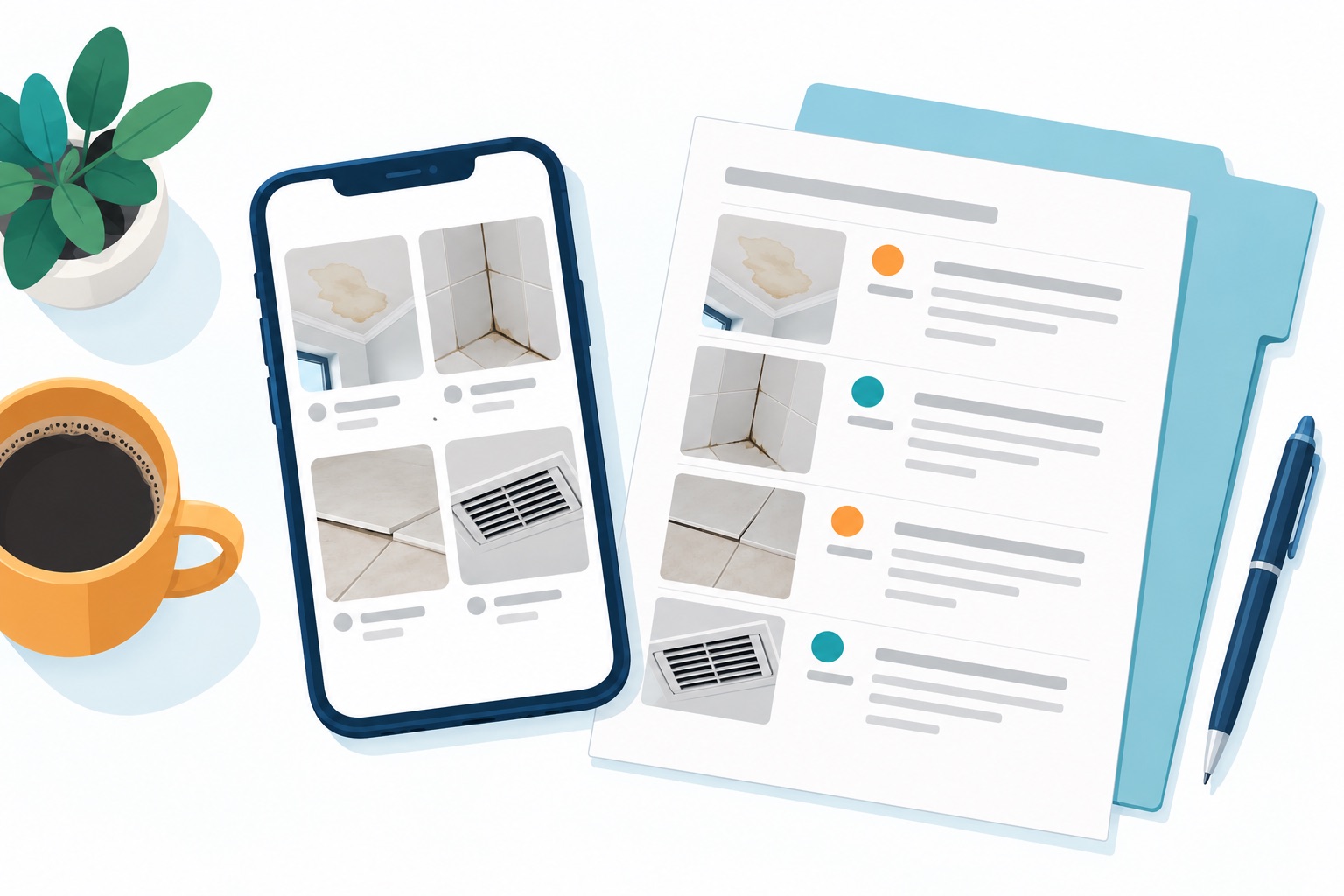
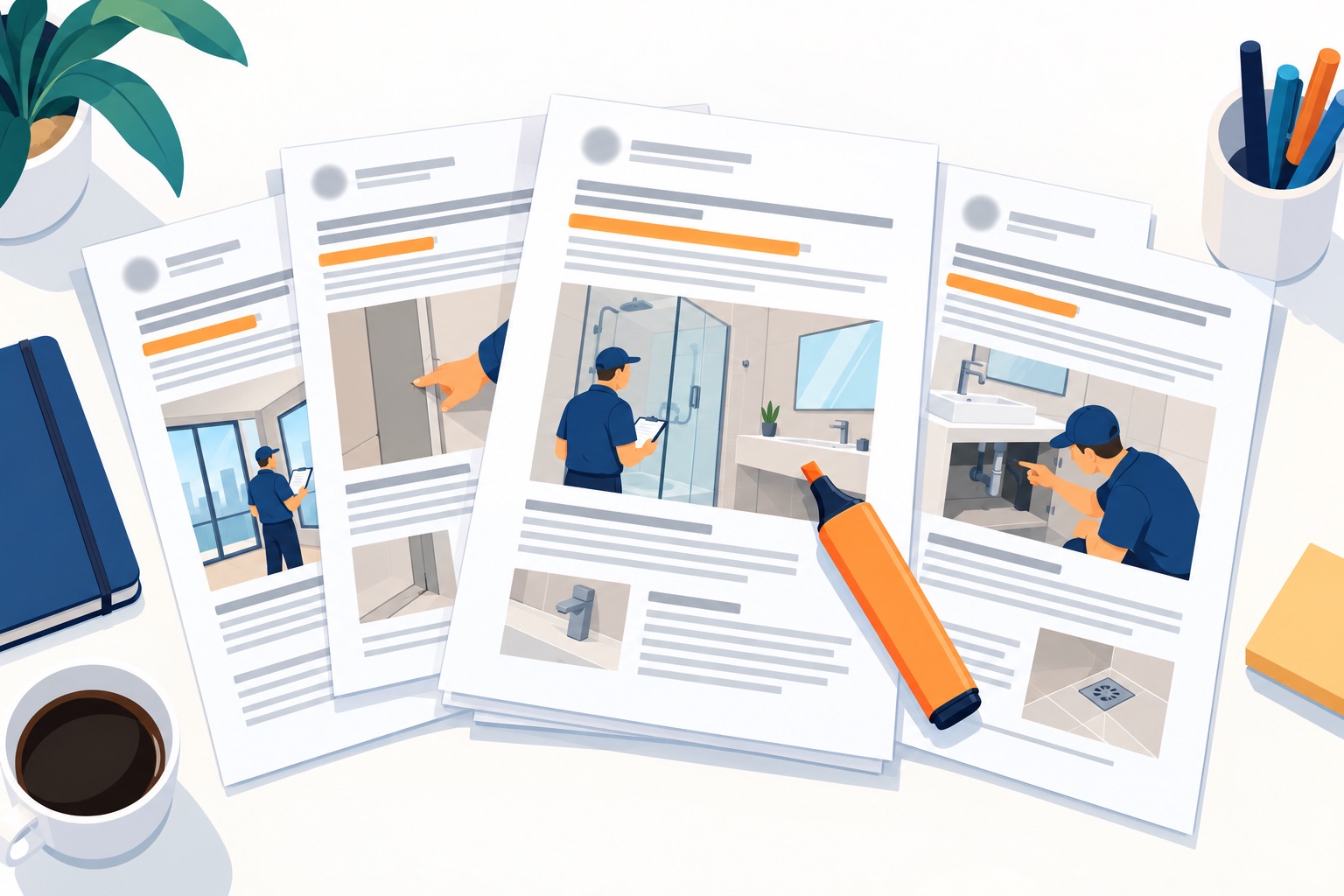
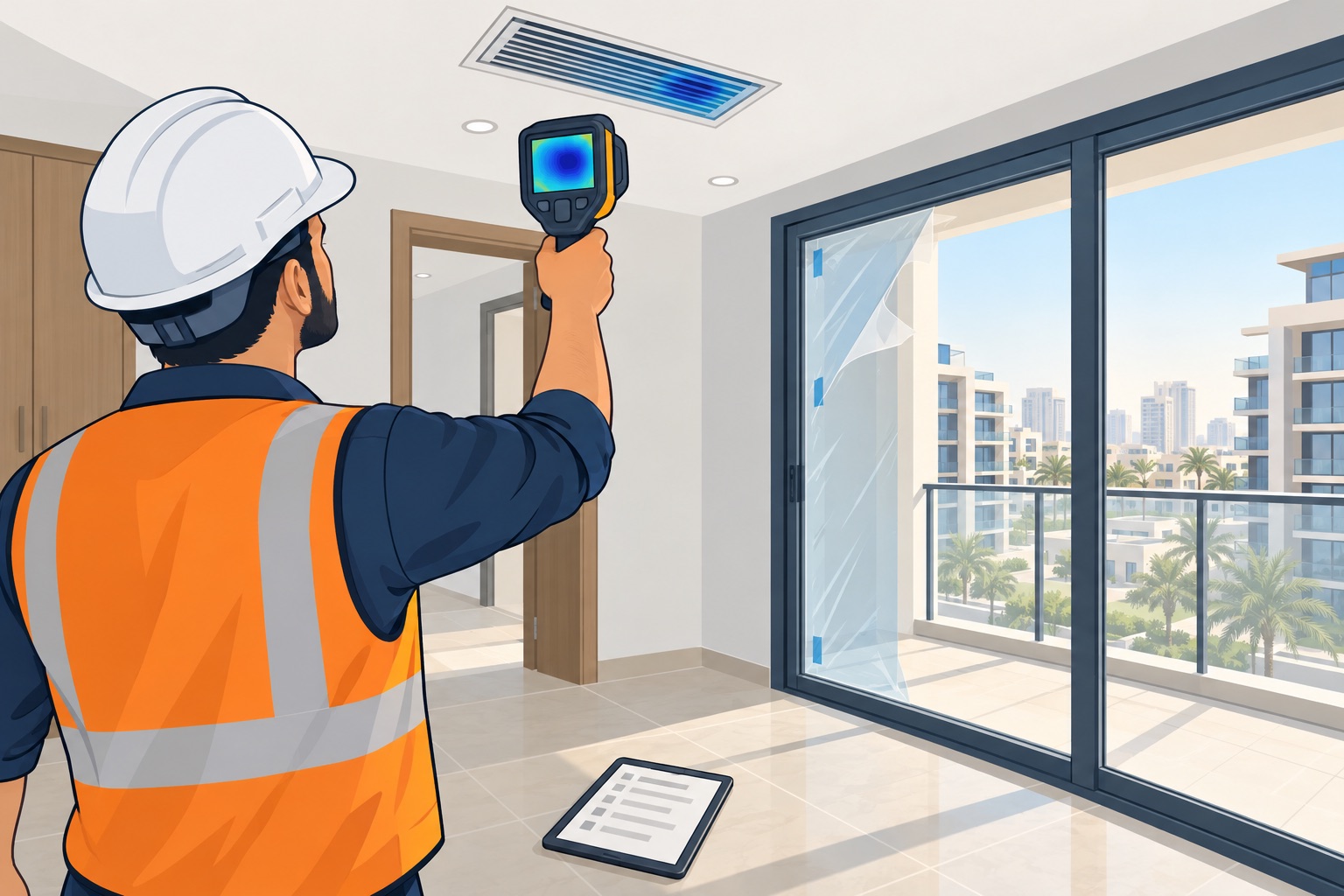
Snagging inspectors look at the same things everywhere. Air conditioning: ducts, thermostats, the insulation on the chilled water lines. Electrical: sockets, wiring, earthing, whether the protection trips. Plumbing: drains, gradients, the waterproofing under the bathroom floor. Tiles that sound hollow. Doors that stick.
Not one of those is a column or a beam.
Almost everything on that list sits in a different window. The developer is generally responsible for finishing and MEP defects for about a year from handover. One year. Not ten.
So the number I had been offering people as comfort is a protection for the part of the building that almost never fails on day one. The part that does fail on day one is on a clock that runs out twelve months later.
That is not a reason to stop saying it. It is a reason to say the other half, which I had been leaving out.
Why the short clock is the one that matters
I ran the arithmetic on what it costs to take a defect of that kind to court, because I wanted to know whether the one-year window was the only route or just the easiest.
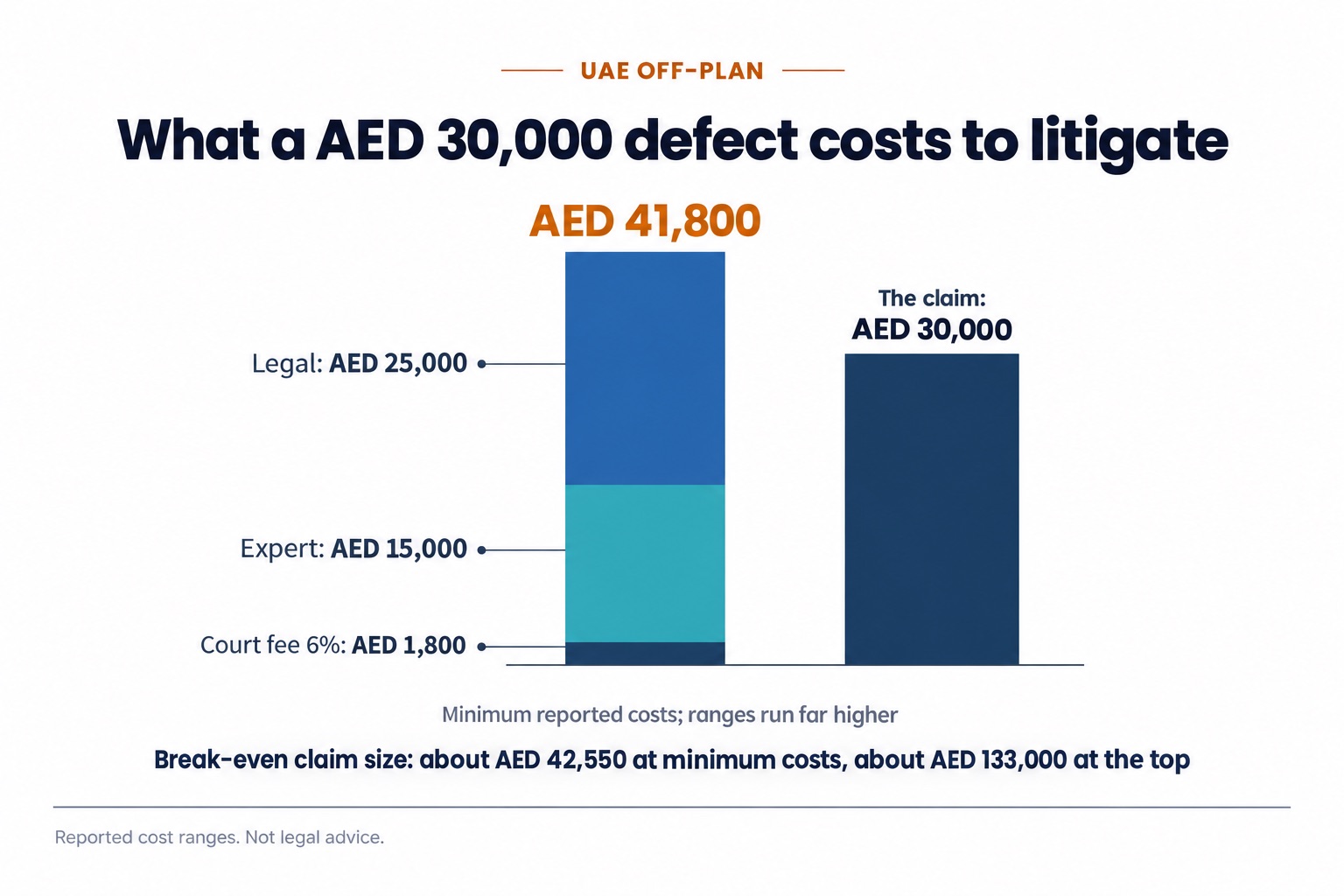
The research I worked from gives reported minimums of around AED 15,000 for an expert and AED 25,000 in legal fees, plus a court fee of 6% of the claim. On a AED 30,000 waterproofing failure, that is about AED 41,800 to pursue it, before you have recovered anything. A claim has to be above roughly AED 42,550 before the minimum cost of suing is smaller than the claim.
So for the things snagging finds, court is not a route. It is a theory.
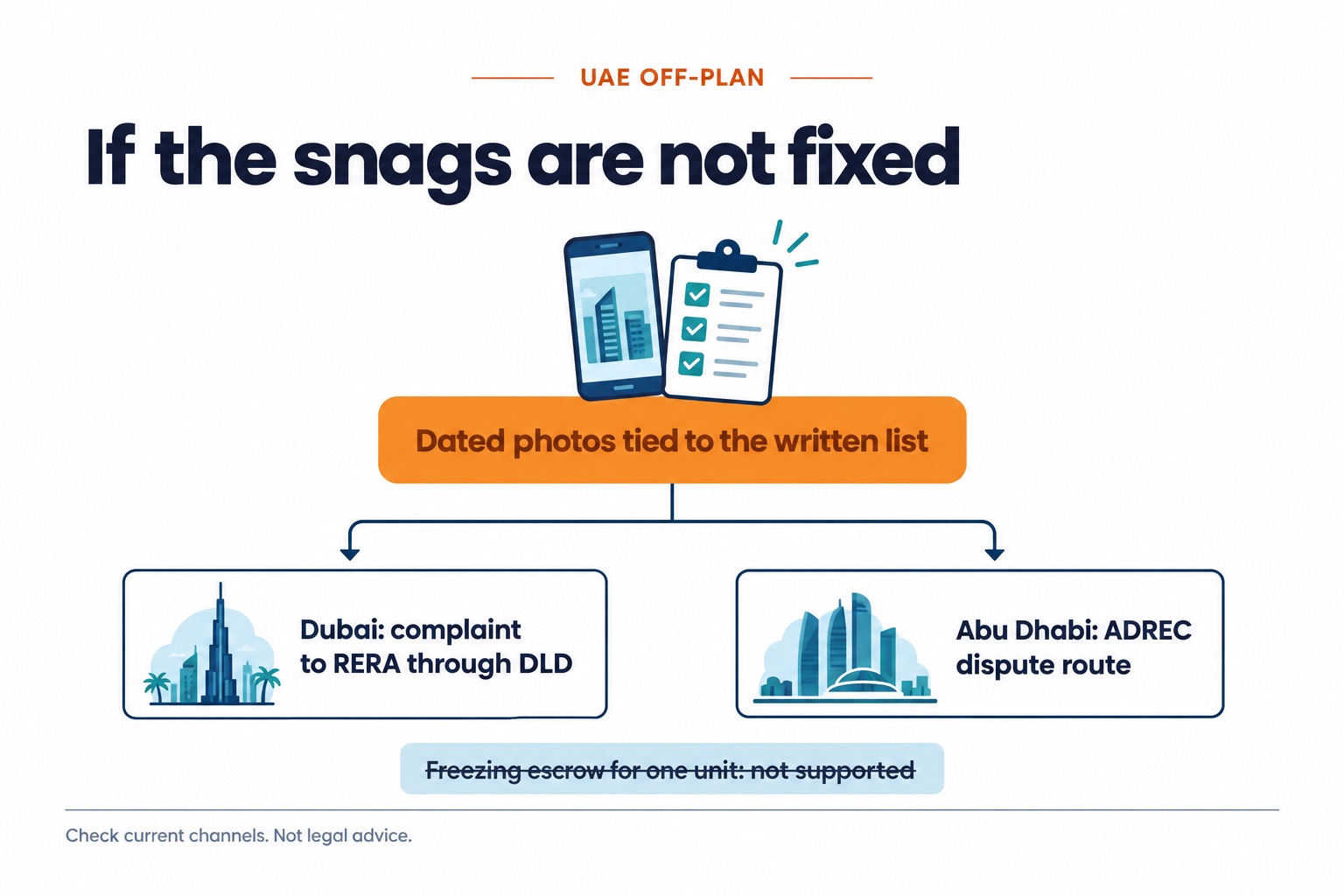
What works is the defect period, and the defect period runs on paper. A written, dated snag list, attached to the handover form and acknowledged. The research describes signing that form without one as shifting responsibility for visible defects onto the owner. It cannot touch the ten-year protection. It can weaken the one-year one.
That is the thing I would now say to a nervous buyer, in place of the comforting line or alongside it. The structure looks after itself. The paperwork does not.
I am a broker, not a lawyer, so that is my reading of what the sources describe and not advice on anyone's form. If the stakes are high, a lawyer should see it before it is signed.

Who was telling me all this
The other thing this research taught me is less comfortable.
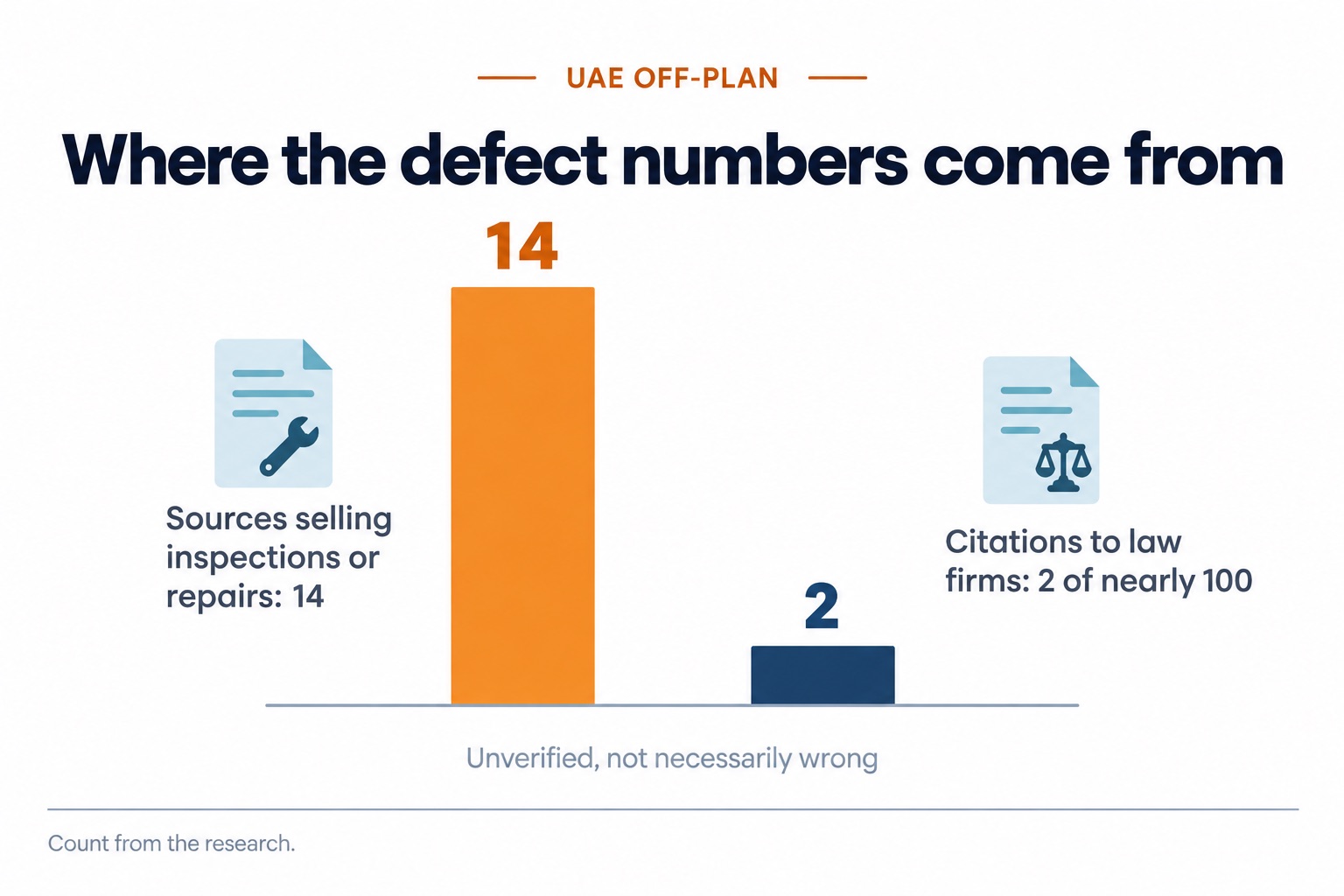
Of the thirty-odd sources I read, fourteen were published by businesses that sell snagging inspections or repairs. The most-cited item was a synthesis built from them. Law firms barely appeared.
And the industry's numbers are everywhere once you look. A percentage of buyers who find defects. A percentage of units with air conditioning problems. A yield premium for inspected homes. None of them names a study, and every one of them comes from someone who benefits if you believe it.
I left all of them out. Not because they are wrong, but because I cannot tell whether they are, and a number I cannot trace is a number I should not repeat under my own name.
Here is the uncomfortable part. I sell property. When I write about buying property, I am in the same position as a snagging company writing about snagging: I benefit if you act. The only defence I have found is the one I am trying to apply to them. Say where every number comes from, leave out the ones that do not survive, and publish the arithmetic so you can check it yourself.
What I take from it
Two things.
The comforting number is usually the one covering the least likely risk. Ten years on the structure is real, and it is not what you will be dealing with. The useful question is not "how long am I protected" but "which protection covers the thing most likely to go wrong, and when does it end".
And discount the source before the claim. A snagging firm telling you that you need a snagging firm may be right. It is still a sales argument, and the same goes for a broker telling you to buy. I would rather you read me the way I read them.
Idris Dad writes about off-plan strategy across Dubai, Abu Dhabi and Ras Al Khaimah.
More on how I work with buyers at offplancrypto.com.
Nothing here is legal advice. I am a licensed real estate broker, not a lawyer, and no developer, project or inspection firm is named or recommended.